


Rezum
Rezum is a minimally invasive treatment method that aims to reduce urinary complaints caused by benign prostate enlargement. Complaints such...
Prostat Merkezi
A significant portion of prostate-related complaints is associated with benign, non-cancerous conditions. Symptoms such as frequent urination, waking up at night to use the bathroom, weak urine flow, and burning during urination may occur in a similar way in different benign prostate diseases. If not evaluated properly, Benign Diseases of the Prostate may both reduce quality of life and cause unnecessary anxiety. For this reason, the duration and severity of symptoms, along with accompanying findings, should be assessed holistically by a urology specialist.
In urology practice, a significant portion of prostate-related complaints is associated with benign, non-cancerous conditions. Complaints such as frequent urination, getting up at night to use the toilet, weak urine flow, a feeling of fullness in the groin, or burning may arise for different reasons. Since prostate tissue can change with age, symptoms may sometimes begin gradually and a person may accept the situation as normal for a long time. However, Benign Diseases of the Prostate may both create symptoms that affect quality of life and cause unnecessary anxiety when not evaluated properly. For this reason, it is important for a urology specialist to adopt a holistic approach according to the duration, severity, and accompanying findings of the complaints.
When referring to Benign Diseases of the Prostate, the most common condition that comes to mind is prostate enlargement, but prostatitis, prostate cysts, and prostate stones may also cause similar complaints. Sometimes more than one condition may be present in the same person at the same time, making the course of the complaints more complex.
Prostate enlargement is generally characterized by an increase in the size of the prostate gland with age and by the tissue surrounding the urinary canal making urine flow more difficult. This condition is also known as benign prostate enlargement and is one of the most common conditions among Benign Diseases of the Prostate. When the enlarged tissue makes it harder for the bladder to empty, the person may experience complaints such as difficulty starting urination, thinning of the urine stream, interrupted urination, a feeling of incomplete emptying, and a reduced ability to postpone urination. Frequent nighttime urination and a sudden feeling of urgency may also accompany this condition.
Symptoms in prostate enlargement vary from person to person; in some people, complaints may be mild despite a clear increase in volume, while in others, significant complaints may occur even with smaller prostate sizes. This difference is related to the sensitivity of the bladder muscle, urinary tract dynamics, and accompanying conditions.
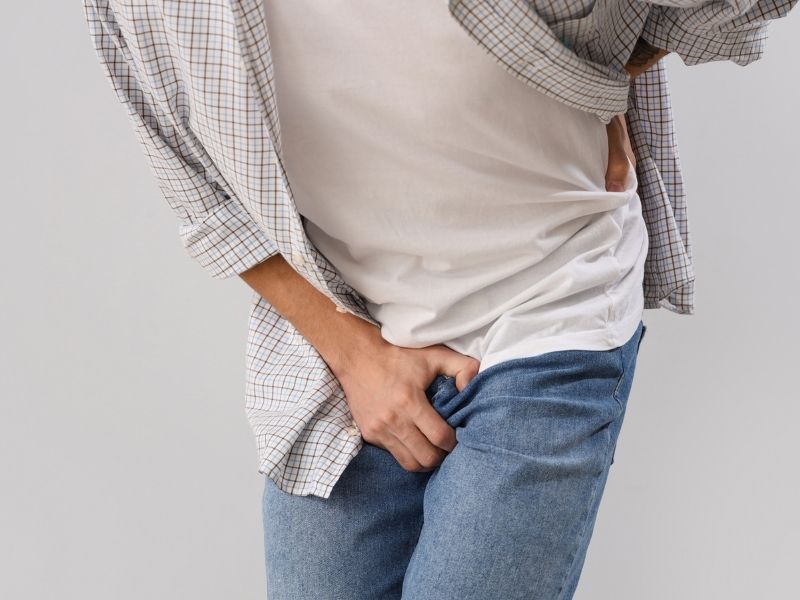
When evaluated within the scope of Benign Diseases of the Prostate, not only the duration of the complaints and their impact on daily life but also accompanying situations such as a history of urinary tract infection, blood in the urine, findings related to kidney function, and bladder stone formation become important.
In the clinical approach, symptoms are evaluated through detailed questioning, physical examination, urinalysis, and imaging methods when necessary. The goal is to clarify the source of the complaints and distinguish which condition is at the forefront among Benign Diseases of the Prostate. In some individuals, findings of prostatitis may also be seen together with prostate enlargement; in that case, burning and pain complaints may become more prominent.
Prostatitis is a broad term referring to inflammatory conditions of the prostate gland. It may sometimes be associated with a bacterial infection, while in other cases it may follow a course similar to chronic pelvic pain syndrome without any detectable infection. Among Benign Diseases of the Prostate, prostatitis stands out especially with pain and symptoms that impair quality of life. Complaints such as burning during urination, frequent urination, discomfort in the groin or perineum, pain radiating to the testicles, a feeling of fullness in the lower back area, and pain during or after sexual intercourse may be seen. In some cases, fever, chills, and general fatigue may also accompany the condition.
Symptoms of prostatitis may sometimes be confused with prostate enlargement. However, in prostatitis, pain, tenderness, and irritative complaints are more pronounced; weak urine flow may not always be the dominant symptom. In terms of Benign Diseases of the Prostate, distinguishing points include the onset pattern of the complaints, the presence of fever, previous urinary tract infections, and laboratory findings. In the evaluation process, tests such as urinalysis and urine culture may be helpful, and additional examinations planned by the physician according to the clinical findings may be necessary.
In prostatitis, the most important goal is to clarify the cause of the complaints and manage the symptoms correctly. In some patients, stress, prolonged sitting, irregular sleep, inadequate fluid intake, and tension in the pelvic floor muscles may increase complaints. For this reason, when prostatitis is considered among Benign Diseases of the Prostate, all symptoms should be evaluated together rather than focusing on a single finding.
A prostate cyst is defined by the presence of fluid-filled formations within the prostate tissue. Many prostate cysts are detected incidentally and may not cause any noticeable complaints. However, depending on the size of the cyst, its location, and its effect on surrounding tissues, urinary complaints or a feeling of fullness in the pelvic region may occur. Although prostate cysts are a less commonly discussed topic among Benign Diseases of the Prostate, they are still important in appropriate clinical evaluation.
Prostate cysts may sometimes be associated with congenital ductal structures, and sometimes with processes such as post-prostatitis changes or ductal obstructions. If the cyst is located close to the urinary canal, it may trigger symptoms such as difficulty urinating or interrupted urination. In some people, complaints such as discomfort during ejaculation, a feeling of pelvic pressure, or a tendency toward recurrent infections may arise. In such complaints, the possibility of a prostate cyst should also be kept in mind within the framework of Benign Diseases of the Prostate.
In the diagnostic process, the physician’s examination and appropriate imaging methods are decisive. Whether the cyst is simple or has complex features, its relationship with surrounding tissues, and its compatibility with clinical findings are evaluated. In this way, the source of the complaints can be clarified more clearly within Benign Diseases of the Prostate.

Prostate stones are defined by the formation of calcifications within the ducts of the prostate gland or within the prostate tissue. Most prostate stones do not cause symptoms and are detected during examinations performed for another reason. However, in some cases, prostate stones may increase irritative complaints, as in prostatitis, or contribute to chronic inflammatory processes. For this reason, among Benign Diseases of the Prostate, prostate stones are an issue that should be taken into consideration especially in people with recurrent complaints.
In the presence of prostate stones, symptoms such as burning during urination, frequent urination, discomfort in the perineal region, groin pain, or pain during ejaculation may occur. Obstruction of the prostate ducts by stones may make secretion drainage more difficult, creating a basis for chronic complaints. In terms of Benign Diseases of the Prostate, the important point is whether the prostate stone exists alone or together with other conditions such as prostatitis or prostate enlargement.
This is because the severity of symptoms is often shaped by the accompanying condition.
In the evaluation, clinical history, physical examination, and the tests deemed necessary by the physician are guiding factors. In some cases, prostate stones do not create a significant problem, while in others, they may be part of chronic complaints. Therefore, within Benign Diseases of the Prostate, prostate stones should be addressed in relation to the symptoms.
Urinary complaints affecting daily life, interrupted sleep, limitation in social life, and an increase in anxiety level are common consequences in people with Benign Diseases of the Prostate. Prolonged symptoms may cause the person to feel tired and restless. For this reason, even if the symptoms are mild, regular follow-up and physician evaluation are important. Since Benign Diseases of the Prostate may create similar symptoms for different reasons, correct identification both reduces unnecessary concern and helps determine the appropriate approach.
The most appropriate step regarding Benign Diseases of the Prostate is not to postpone symptoms and to seek an individualized evaluation from a urology specialist. In this way, the source of the complaints becomes clear, accompanying conditions are understood, and a roadmap aimed at protecting quality of life can be planned in a healthier way.
Rezum is a minimally invasive treatment method that aims to reduce urinary complaints caused by benign prostate enlargement. Complaints such...

The prostate is a gland in the male reproductive system that affects the urinary tract, semen fluid, and sexual health.

HoLEP and ThuFLEP are closed laser surgical methods used to reduce urinary complaints in benign prostate enlargement.
You can quickly search HoLEP, ThuFLEP, prostate fusion biopsy, robotic surgery and other topics.