

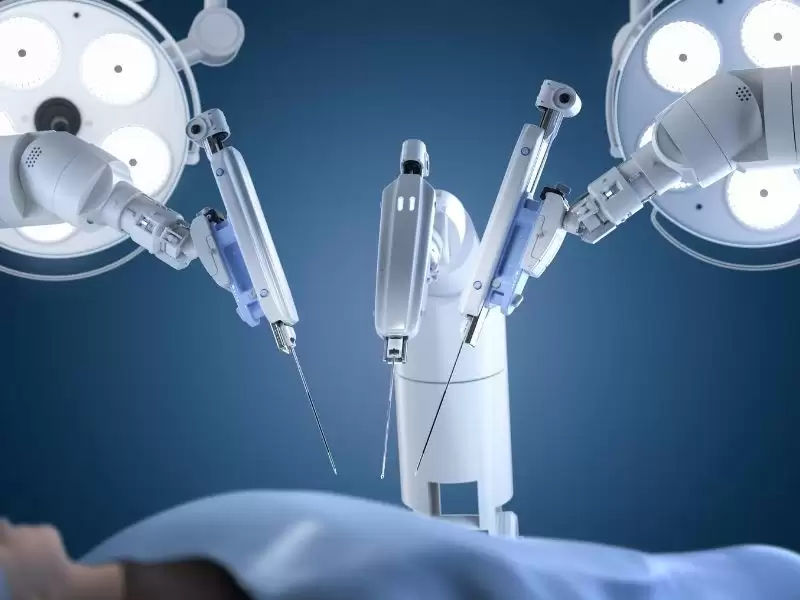
What Is Robotic Surgery?
Robotic surgery is a modern surgical approach used in urology that aims to preserve delicate tissues and is performed through small incision...
Prostat Merkezi
Robotic surgery is one of the precise surgical methods used in urology, especially in the treatment of prostate diseases. Robotic prostate treatment provides the surgeon with a more controlled working area during prostate cancer treatment and closed prostate surgery processes. For patients looking for an Ankara prostate center, this method is a modern treatment option evaluated with the right patient selection.
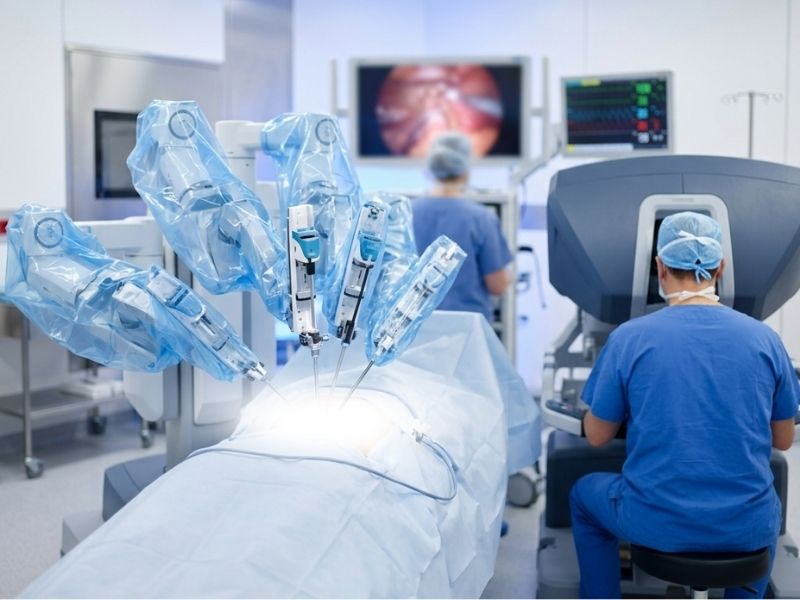
What is robotic surgery does not mean that the operation is performed by the robot alone. In this method, the surgery is managed by a urology specialist, while the robotic system transfers the surgeon’s hand movements to the surgical area by converting them into more precise, controlled and smaller movements. Therefore, the answer to what is robotic operation can be explained as a closed surgical method performed with an advanced imaging and movement system working under the surgeon’s control.
Robotic surgery involves making small incisions in the abdominal area and placing a camera and surgical instruments through these incisions. How robotic operation is performed is also based on this basic principle. The surgeon manages the procedure from the surgical console with three-dimensional and magnified imaging. This structure is especially important in organs such as the prostate, which is surrounded by sensitive nerves that affect urinary control and sexual functions.
The advantages of robotic surgery are evaluated through clearer visualization of the surgical area, more controlled surgical movements and performing the procedure through small incisions. Under the heading of what are the advantages of robotic surgery , the main point that stands out is that the surgeon can work in narrow anatomical areas in more detail. This may help protect the structures that need careful evaluation, especially in terms of urinary incontinence after prostate surgery and sexual life after robotic surgery.
Robotic surgery may provide advantages in terms of postoperative pain, length of hospital stay and return to daily life because it is performed through smaller incisions compared to open surgery. However, the result is not the same for every patient. Prostate surgery risks are closely related to the patient’s age, additional diseases, the spread of prostate cancer, surgical experience and preoperative evaluation.
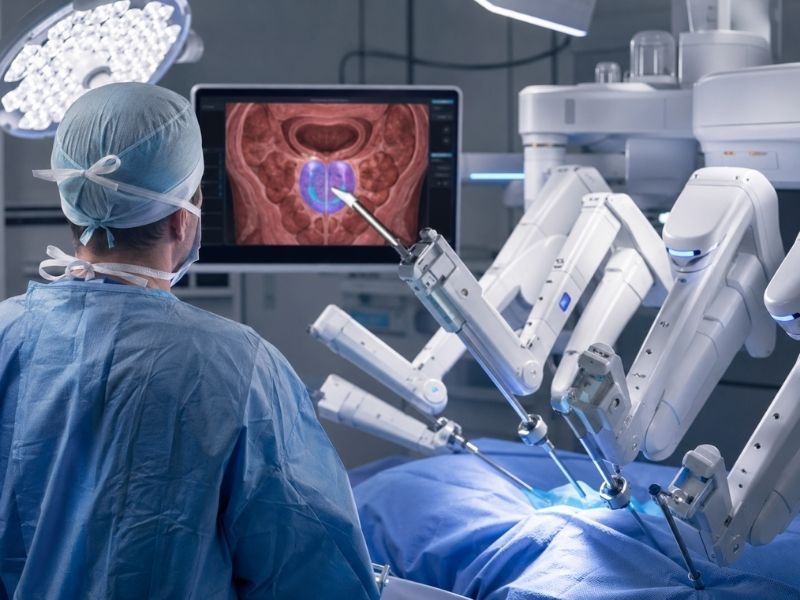
How robotic surgery is performed is generally evaluated through cancer surgery in prostate diseases. When prostate treatment is planned, the patient’s PSA value, prostate examination findings, prostate MRI result and, when necessary, prostate biopsy are evaluated together. Topics such as what is PSA and what does high PSA mean are important in the prostate diagnosis process because these values do not indicate cancer on their own but may require further examination.
What is robotic prostate surgery refers to the surgical procedure in which the prostate gland is removed with the help of a robotic system. This procedure is mostly called robotic radical prostatectomy. The answer to what is radical prostatectomy is the surgical removal of the prostate gland and, when necessary, surrounding tissues due to prostate cancer . This method may be preferred for prostate cancer surgery in suitable patients.
Robotic surgery in prostate cancer may be preferred because it provides the surgeon with detailed visualization, as the prostate is located in a deep and narrow area. What is prostate cancer is explained as a disease that develops when cells in the prostate gland multiply uncontrollably. Prostate cancer symptoms may not be obvious in the early stages; therefore, prostate cancer screening, PSA follow-up and examination should not be neglected.
What causes prostate cancer does not have a single answer. Age, family history, genetic predisposition and some lifestyle habits may affect the risk. Stage 2 prostate cancer symptoms may differ from patient to patient, and some people may not have obvious complaints. Stage 4 prostate cancer symptoms may occur with findings such as bone pain, weight loss, urinary problems or fatigue, depending on where the disease has spread.
Robotic surgical treatment for prostate cancer may be included in the treatment plan if the stage of the disease and the patient’s general condition are suitable. In the evaluation of how prostate cancer treatment is performed, surgery, radiotherapy, active surveillance, hormone therapy or different methods may be considered together. The robotic prostate cancer surgery option may come to the agenda especially in patients whose cancer is limited to the prostate or who are considered suitable for surgery.
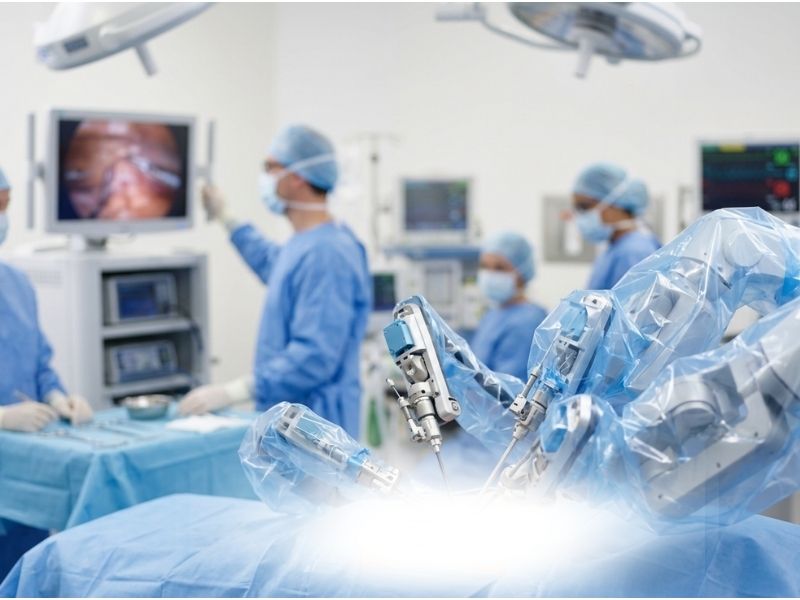
During the how robotic prostate surgery is performed process, the patient is taken into surgery under general anesthesia. Small entry points are created in the abdominal area, and the camera and surgical arms of the robotic system are placed through these areas. The surgeon views the surgical field in a magnified way from the console and carefully separates the prostate tissue from the surrounding structures.
During robotic prostate surgery, the structures related to urinary control and the nerves important for sexual function are aimed to be preserved. A nerve-sparing approach may not be possible in every patient because the location and spread of the cancer determine the surgical plan. In the postoperative period after robotic prostate surgery, catheter use, hospital follow-up and additional treatment planning according to the pathology result are evaluated.
Robotic surgery differs from open surgery in that it is performed through smaller incisions and the surgical field is viewed with magnified imaging. While a larger incision is made during open prostate surgery, in the robotic method, the surgical procedure is performed with a closed system. This difference may contribute to a more comfortable recovery process.
The term closed prostate surgery may be used by patients for different methods. Therefore, robotic surgery and endoscopic prostate enlargement surgeries should not be confused with each other. While the robotic method is mostly used in prostate cancer surgery, different closed methods may be preferred for benign prostate enlargement.
Robotic surgery and laparoscopic prostate surgery are similarly performed through small incisions, but the technology used is different. In the laparoscopic method, the surgeon manages the instruments directly with hand movements, while in robotic surgery, movements are transferred more precisely through the robotic system. Three-dimensional imaging and range of motion are among the distinctive features of the robotic method.
This difference becomes especially important in the narrow anatomical area around the prostate. The imaging and motion control provided by the robotic system may help the surgeon evaluate tissue planes more clearly. However, the success of the method depends not only on technology but also on the surgeon’s experience, patient selection and the stage of the disease.
Recovery after robotic surgery may generally progress in a shorter time compared to open surgery. During the recovery period after robotic prostate surgery , it is important for the patient to move, use the prescribed medications regularly, be informed about catheter care and not miss follow-up appointments. Changes in urine color, mild pain or fatigue may occur in the first days.
In the period after prostate surgery , urinary control may improve over time, but some patients may experience temporary incontinence. Urinary incontinence after robotic prostate surgery may vary according to preoperative urinary function, age, tissue structure and the surgical technique applied. Sexuality after prostate surgery is also closely related to nerve preservation status and the patient’s preoperative functions.
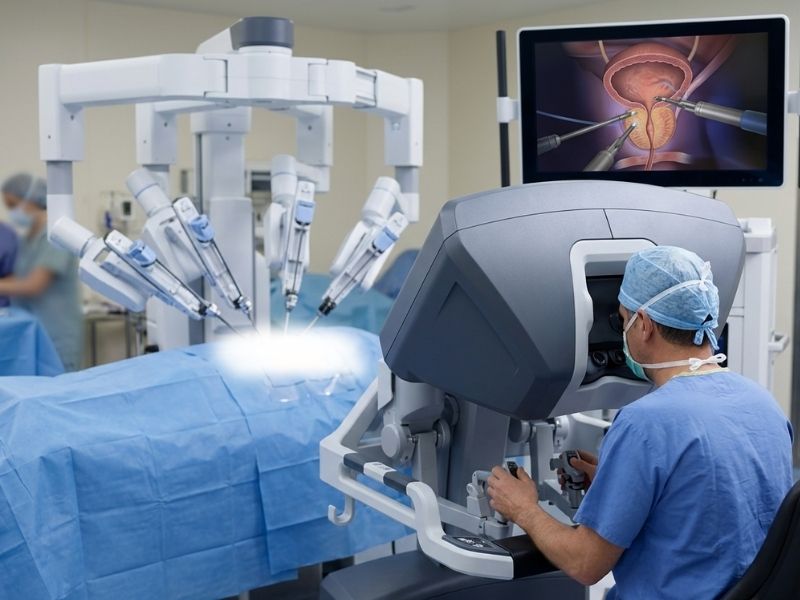
Who can undergo robotic surgery is evaluated according to the type and stage of the disease and the patient’s general health condition. Robotic surgery may be an option for patients diagnosed with prostate cancer, found suitable for surgical treatment and without any surgical obstacle in terms of anesthesia. For this decision, high PSA, prostate MRI findings, prostate biopsy result and general evaluation are examined together.
Which patients are not suitable for robotic surgery is also important. Different treatment options may come to the agenda in patients with advanced additional diseases, high anesthesia risk or limited expected benefit from surgery due to cancer spread. Therefore, robotic surgery is not a method that will automatically be applied to every prostate cancer patient .
After robotic prostate surgery, the patient must follow the control program recommended by the doctor. Until the catheter is removed, hygiene rules should be followed, and heavy lifting and strenuous physical activities should be avoided. Nutrition, fluid intake and bowel regularity may also affect the recovery period.
The pathology result is decisive for the treatment plan in the postoperative period. Whether the cancer is limited within the prostate, the surgical margin status and, if necessary, the need for additional treatment are evaluated with this result. Urinary control exercises, sexual function follow-up and regular PSA measurements are important parts of this process.
For patients looking for prostate treatment with robotic surgery in Ankara, choosing the right center should be considered together with an experienced urology evaluation, independent of the technology used. In searches for Ankara robotic prostate surgery, Ankara prostate cancer treatment and Ankara prostate treatment, patients should pay attention not only to the method but also to how the entire process from diagnosis to follow-up is managed.
In an Ankara urology doctor evaluation, it is important to consider steps such as prostate cancer screening, PSA follow-up, prostate examination, prostate MRI and biopsy in an integrated way. In patients planned for robotic prostate surgery within the scope of an Ankara prostate center , the aim is to provide cancer control while preserving functions such as urinary continence and sexual life as much as possible.
Robotic prostate treatment may be evaluated especially in patients diagnosed with prostate cancer and found suitable for surgery. The prostate cancer treatment plan is determined according to the psa level, prostate mri, biopsy result and the patient’s general health status.
Robotic radical prostatectomy is the removal of the prostate gland with a robotic surgery system during prostate cancer surgery. This method can be applied with a closed prostate surgery approach in suitable patients.
The hospital stay after robotic prostate surgery may generally be shorter compared to open prostate surgery. The duration varies according to the patient’s recovery status, catheter follow-up and doctor evaluation.
Robotic surgery for prostate cancer may be an effective prostate cancer treatment option depending on the stage and spread of the cancer. Treatment success is evaluated with the pathology result, surgical margin status and regular psa follow-up.
Robotic surgery does not completely eliminate the risk of urinary incontinence, but it may help preserve the structures that affect urinary control thanks to precise tissue dissection. The urinary incontinence process after prostate surgery varies from person to person.
Robotic surgery may provide an advantage in terms of sexual life when nerve-sparing surgery can be planned. However, sexuality after prostate surgery may vary depending on age, preoperative functions and the location of the cancer.
For robotic prostate surgery in Ankara, prostate diagnosis, psa elevation, prostate examination, prostate mri and prostate biopsy results are first reviewed together. Within the scope of the Ankara prostate center, robotic prostate surgery can be planned in suitable patients.
Robotic surgery is a modern surgical approach used in urology that aims to preserve delicate tissues and is performed through small incision...
You can quickly search HoLEP, ThuFLEP, prostate fusion biopsy, robotic surgery and other topics.